
It really is that bad
and sometimes that's exactly the validation you need

The first year I started paying close attention to how grieving happens in the predominant culture of the United States was 2013. That was the year The Boy was born. The year I had my second threatened miscarriage with him. The year several doctors told me he was “incompatible with life.” The year the maternal fetal medicine physician encouraged me to abort the baby and also confirmed that it wouldn’t be possible to really know what abnormalities were present and how significant they were until the child was born.
I heard a lot of truly unhelpful phrases. People were uncomfortable with what I shared with them. I shared because I thought we were close and they would want to know and be supportive. They didn’t have the skills for that.
“I know you’ll make the right decision.” A family member told me that to politely encourage abortion.
“At least you know you can get pregnant.” Lots of people considered this supportive.
“I’m sure you can have another child if this doesn’t work out.” Not only unhelpful but incredibly detached and dismissive.
The pregnancy progressed. People would approach me as someone who looked very close to full term and would want to chat me up about the baby. I would usually be honest with them and tell them the baby was expected to die before birth.
They didn’t know how to respond to that.
Once he was born there was the NICU stay. That is a really hard time. Then the flavor of support was all about silver linings.
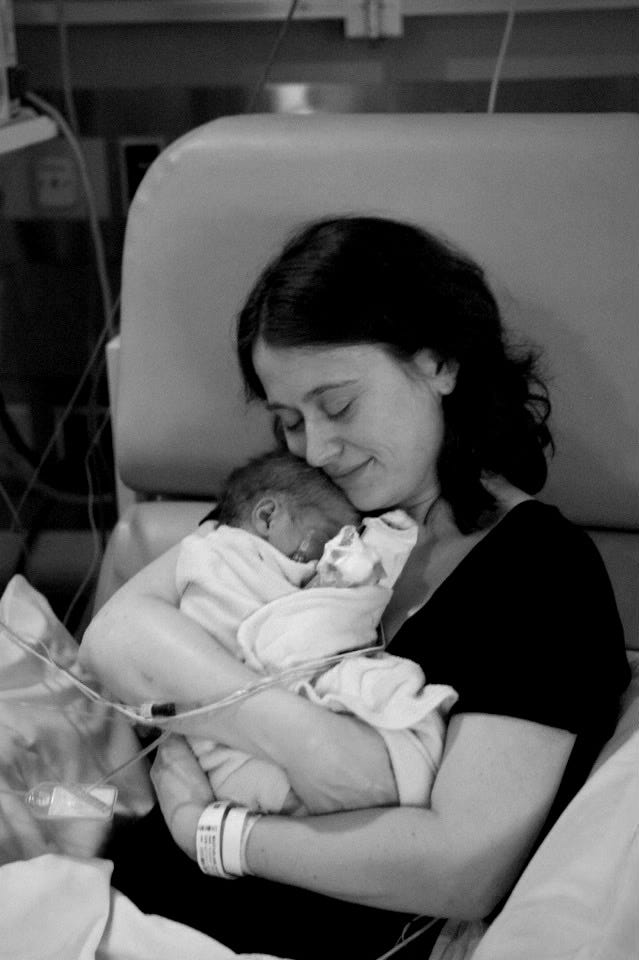
“The surgery saved his life and now everything is going to be okay!”
I suppose when you are looking at this from the outside, it seems really simple. He was expected to die, and he didn’t. This year he becomes a teenager.
Truly, that is wonderful and amazing.
It’s also grueling and exhausting in a way that people who haven’t done intense caregiving cannot understand.
There were all the appointments. The continuing care, and coordinating care, with specialists to untangle the longer term care needs. The new diagnoses that happened that complicated things.
Outside of the people I came to know in the NICU and the specialists’ waiting areas, there was no one in my life who was willing or able to be with me and acknowledge that it really was that bad. The people I thought I could rely on came at me with relentless positivity.
It did not help.
What did help was talking with other people who could relate. There were people who had different versions of similar experiences who nodded and agreed with me. They reached for my hand when it shook. They witnessed my tears without wiping them away or attempting to soothe me into a more comfortable mood. Not a single one of these people was present in my life before all of this, and they became central to how I moved through the days.
We understood each other. We were willing to be vulnerable with each other. On the NICU floor, everyone knew everyone else’s business because the babies didn’t have individual rooms. We knew when someone was stable enough to step down or discharge. We knew when a baby died. We knew when a new bit of information horribly complicated the situation and made optimism seem foolish.
I was showing up with my camera to photograph what was happening. I wanted to be witnessed. I wanted to look back on the photos and have more time to process everything. I wanted to document the details I was afraid to forget. I did not want to turn away from what was hard, because people I had considered close were turning away from me.
My situation was too hard. They couldn’t cope.
Other families asked me to photograph their worlds. I documented the monitors, the supplies, the charts, the tubes. I focused on the stuff I figured most people would want to minimize.


Witnessing the families and what they were experiencing was important. It was an honor. I did not want to turn away from them, because I knew that was happening outside the hospital.
That’s what has shaped me as an artist more than anything else. My style isn’t pretty or aspirational. I tend to be uncomfortably honest as a photographer. As a painter I can be softer, but I’m still looking for the darker sides of things because those need to be acknowledged.
After a very long time of feeling invisible in parts of my life, I decided to start a project to witness hard things, called “It Really Is that Bad”. I’ve been writing about stuff that happens in my life, or happened a while ago, that is uncomfortable or difficult. It’s stuff that is hard to bring up in conversation because it’s either bad enough that sharing feels like it would be asking too much, or I feel like I might be complaining about nothing.
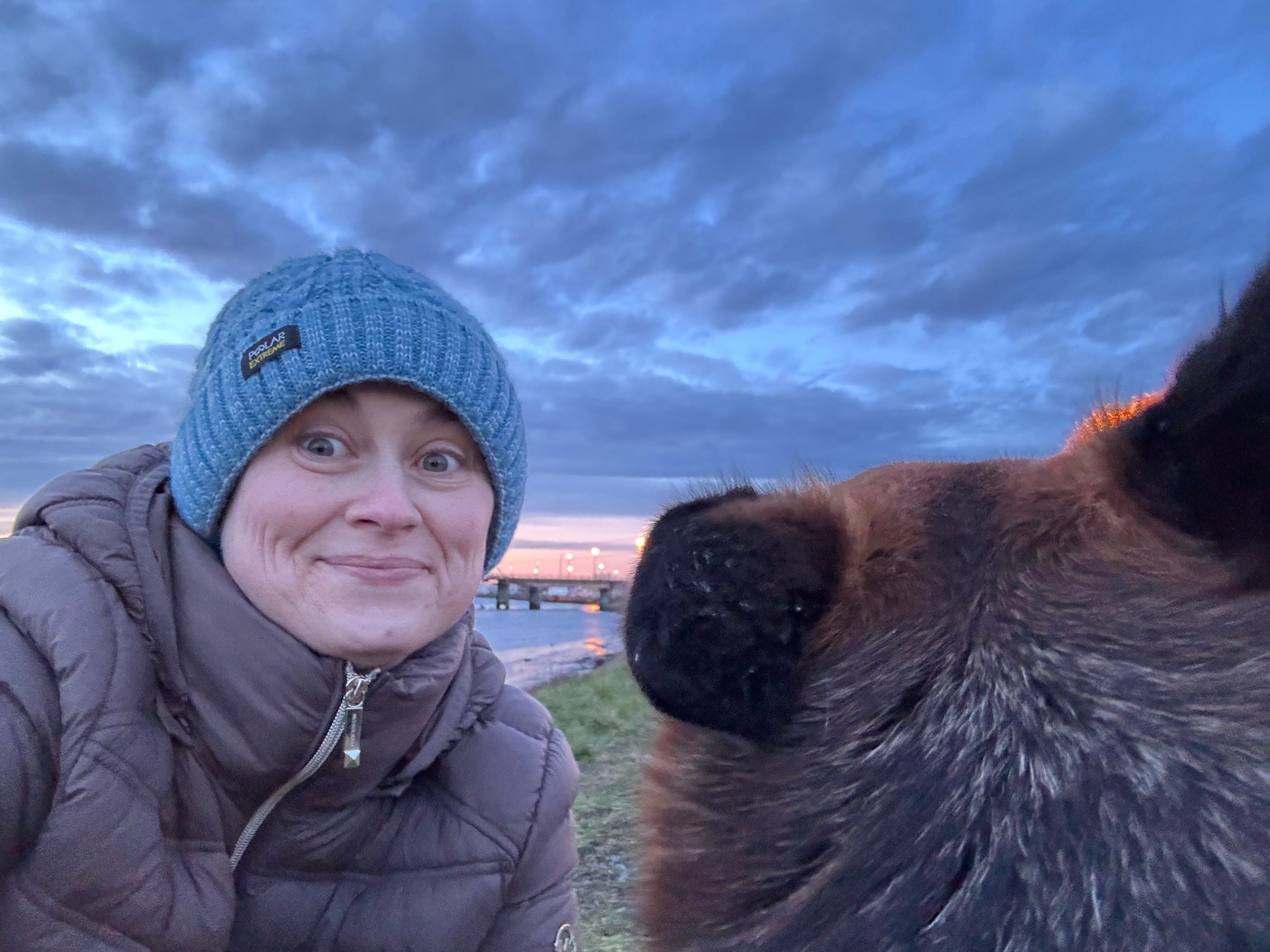
I am fortunate to have people in my life who will absolutely be with me through the hard things. They’ve shown me they will turn toward me and not look away. I love them dearly.
They know that I am a champion-level mutual crier and when things get tough in their lives that they can tell me as little or as much as they wish. I don’t require a full set of details to show up and prepare meals, clean up, and make sure the recycling is on the curb on the right day.
There are nevertheless times when others are already under a heavy load or we can’t connect in real time for various reasons. Sometimes I want to work on things myself before I mention them to anyone. Sometimes stuff doesn’t feel worthy of mention for a long time.
Writing it down helps me organize my thoughts and emotions around it. It is an exercise it looking at an experience objectively and representing it accurately, and then I can return to it later if I need more time to process it. With the smaller things, I notice that as I write and when I return, I indeed go to some version of “it really is that bad.”
For other people it might not be. On a different day or in a different circumstance, I might not give it a thought. But these small things that I’ve been socially conditioned to dismiss, to “get over,” and to move on from are things that compound; if I don’t put the effort in to understand them I will continue to carry them and they will become progressively heavier.
More than anything else, I want to show up for myself. I want to be there and not turn away when habits and social expectations push me to shove things aside, forget about them, and carry on.
I want to validate and acknowledge that things really are that bad, and that what I feel is understandable and worthy.
If you want to follow along with any of these short essays and stories, please prepare yourself for material that is not uplifting. And if you are deep in stuff yourself and have been told you are too sensitive, overreacting, or unreasonable, I am pretty sure you are not. You are paying attention.
Rest. Hydrate. It really is that bad. You need to take care of yourself to keep showing up.